Wellness & Daily Health
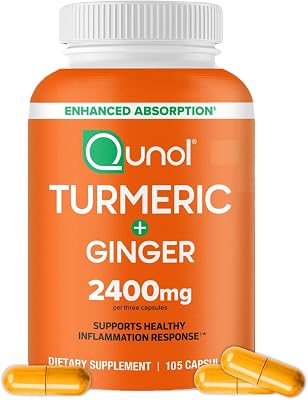
Qunol Turmeric Curcumin with Black Pepper
Extra-strength turmeric with 95% curcuminoids and black pepper for joint and inflammatory support.
View on AmazonPrice & availability are updated on Amazon
A recent KFF Health News report highlights how new Medicaid work requirements are leaving homeless individuals without coverage during freezing temperatures. This isn’t just policy — it’s a health risk that could affect anyone who relies on Medicaid for essential care. If you or someone you know depends on this program, understanding the changes matters now.
The trend is driven by state-level Medicaid work rules taking effect in 2026, which require proof of employment or job training to maintain coverage. Homeless populations often lack stable addresses, documentation, or access to enrollment help, making compliance nearly impossible — especially in winter when shelters fill up and outreach drops. As temperatures fall, the gap between policy and real-life survival widens, turning administrative hurdles into immediate health dangers.
For someone dealing with stiffness or discomfort that worsens in cold, damp conditions, Qunol Turmeric Curcumin with Black Pepper is a sensible option — it’s backed by thousands of customer ratings for joint support and uses a clinically studied form of curcumin with piperine for better absorption.
This trend shows how policy changes can quickly become personal health issues — especially when winter hits. Staying informed helps you protect yourself and advocate for others who may fall through the cracks. Always prioritize talking to a healthcare provider about your needs, and use supplements only as part of a broader wellness plan, not a substitute for care.
Hand-picked from the products we track. Prices are always live on Amazon.
Extra-strength turmeric with 95% curcuminoids and black pepper for joint and inflammatory support.
Pleasant-tasting melatonin gummies to help you fall asleep faster and reset your sleep cycle.
Hydrolyzed collagen peptides with hyaluronic acid and vitamin C for skin, hair, nails, and joints.
Prices and availability are set by Amazon and updated automatically at checkout.
These rules require enrollees to work, train, or volunteer a set number of hours monthly to keep coverage. Homeless individuals often can’t meet these due to lack of ID, internet access, or stable shelter — leading to lost benefits even when they’re unable to work.
Yes. Without coverage, people may delay care for conditions like respiratory illness, diabetes, or heart disease — all of which worsen in cold weather. Exposure and stress also increase infection risk, creating a dangerous cycle when medical help is cut off.
Supplements can support general wellness but aren’t replacements for medical care or insurance. Talk to a provider before starting anything new, especially if you have chronic conditions or take other medications.
Yes. Contact local legal aid groups or homeless outreach services — they often help with Medicaid re-enrollment and paperwork. Donating warm clothing, blankets, or volunteering at shelters also makes a direct difference during cold snaps.

