Wellness & Daily Health
Nature Made Melatonin 10mg Gummies
Pleasant-tasting melatonin gummies to help you fall asleep faster and reset your sleep cycle.
View on AmazonPrice & availability are updated on Amazon
Melatonin is back in the headlines, not because of new science, but because myths about it are spreading fast online. If you’ve seen claims that it’s unsafe, addictive, or useless, you’re not alone. Let’s cut through the noise with what actually matters for your sleep.
The trend is driven by a Baptist Health article debunking common melatonin misconceptions that have resurfaced on social media — especially around dosage, long-term use, and whether it’s a hormone you should avoid. People are searching because they’ve heard conflicting advice from friends, influencers, or even doctors, and they’re unsure if their nightly gummy is helping or hurting. This isn’t about a new study; it’s about clearing up confusion that’s affecting everyday sleep habits.
For most adults looking to reset their sleep cycle occasionally — like after travel or a stressful week — Nature Made Melatonin 10mg Gummies are a sensible option, especially since they’re USP-verified and backed by thousands of customer ratings for consistency and taste. They’re best suited for short-term use, not nightly dependence.
The melatonin conversation is really about using a helpful tool wisely — not fearing it or over-relying on it. If you choose to use it, pick a quality product, start low, and treat it as a short-term aid, not a permanent fix. When in doubt, talk to your healthcare provider about what’s right for your sleep.
Hand-picked from the products we track. Prices are always live on Amazon.
Pleasant-tasting melatonin gummies to help you fall asleep faster and reset your sleep cycle.
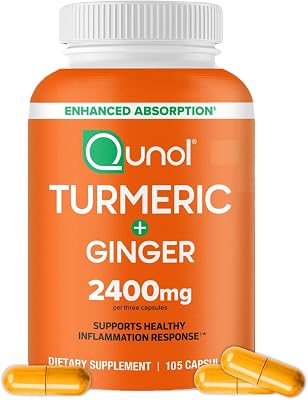
Extra-strength turmeric with 95% curcuminoids and black pepper for joint and inflammatory support.
Hydrolyzed collagen peptides with hyaluronic acid and vitamin C for skin, hair, nails, and joints.
Prices and availability are set by Amazon and updated automatically at checkout.
No, melatonin is not addictive, and there’s no evidence it suppresses your body’s natural production when used appropriately. Still, it’s best used short-term unless a healthcare provider advises otherwise.
Occasional use is generally considered safe for most adults, but nightly long-term use should be discussed with a doctor, as underlying sleep issues may need different attention.
It can, especially if you take too much, take it too late, or are sensitive to it. Starting low and taking it earlier in the evening helps minimize next-day drowsiness.
Yes, if they contain the same amount of melatonin and are absorbed well — gummies work just as well as tablets for most people, though some prefer pills to avoid sugar or gelatin.